

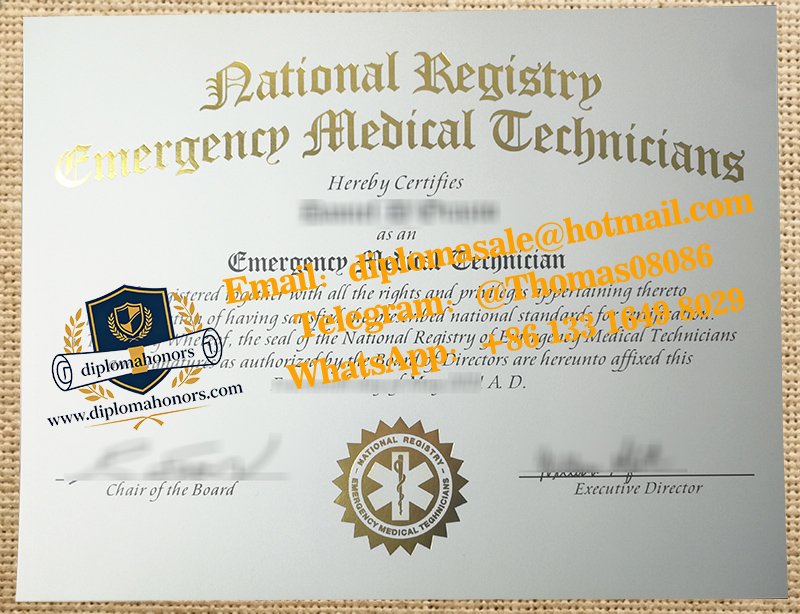
In today’s fast-paced world, emergency medical services (EMS) are the backbone of community health, and an EMT certificate is the first step to joining this life-saving profession. Whether you’re passionate about helping others or seeking a stable, in-demand career, earning an EMT certification opens doors to meaningful work in ambulances, hospitals, and community health settings. This guide breaks down what an EMT certificate entails, its requirements, and why it’s a valuable investment for your future.
First, let’s clarify: an EMT certificate is a nationally recognized credential that validates your ability to provide basic life support (BLS) in emergency situations. To earn it, you must meet core prerequisites: be at least 18 years old, hold a high school diploma or GED, and possess a current CPR/BLS certification for healthcare providers (typically from the American Heart Association). These basics ensure you have the foundational knowledge and skills to start training.
EMT training programs, approved by state EMS authorities and aligned with national standards, typically take 150–170 hours to complete—equivalent to 4 to 6 months of part-time or full-time study. The curriculum blends classroom learning (covering anatomy, patient assessment, trauma care, and emergency pharmacology) with hands-on clinical practice. You’ll train alongside experienced EMTs and paramedics, practicing skills like hemorrhage control, splinting, oxygen administration, and assisting with emergency medications. After finishing training, you’ll take the National Registry of Emergency Medical Technicians (NREMT) exam, which includes both a cognitive test and a practical skills evaluation, to earn your certification.
EMT Certificate: Your Gateway to a Rewarding Emergency Medical Career
The value of an EMT certificate extends far beyond the classroom. EMS roles are in high demand, with the U.S. Bureau of Labor Statistics projecting steady job growth for EMTs and paramedics in the coming years. As an EMT, you’ll be the first medical professional on the scene of accidents, heart attacks, or natural disasters, making split-second decisions that save lives. This role is not just professionally fulfilling but also offers competitive salaries, flexible schedules, and opportunities for advancement—many EMTs go on to become paramedics, nurses, or emergency room technicians.
Maintaining your EMT certificate is straightforward: you must recertify every two years by completing 40 hours of continuing education or passing a recertification exam. This ensures you stay updated on the latest emergency care techniques and guidelines, keeping your skills sharp and your credential valid. Many employers cover the cost of continuing education, making it easy to stay compliant.
In conclusion, an EMT certificate is more than just a credential—it’s a ticket to a career that makes a real difference in people’s lives. With minimal prerequisites, flexible training options, and strong job prospects, it’s an ideal choice for anyone looking to enter the healthcare field quickly. If you’re ready to turn your desire to help others into a career, start your journey toward an EMT certificate today.