

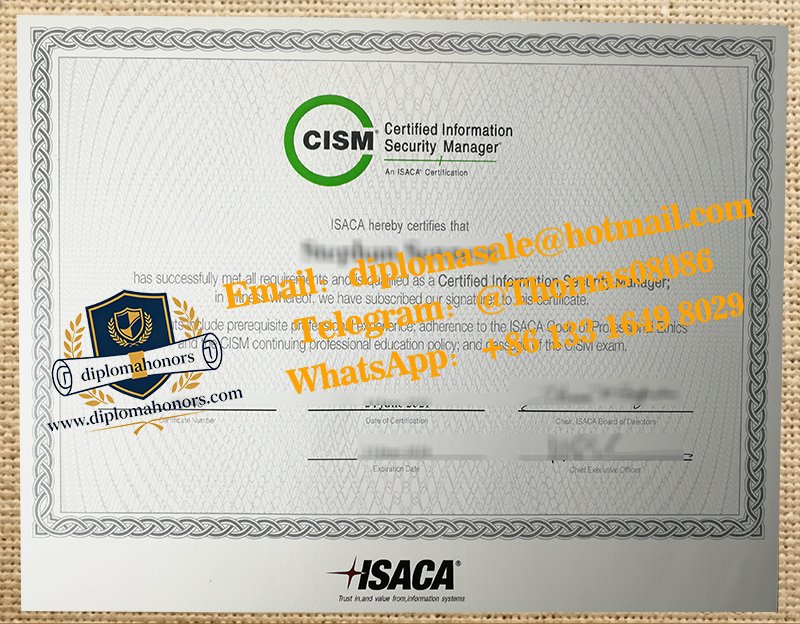
The CISM Certificate, fully known as Certified Information Security Manager, is a prestigious global cybersecurity credential administered by ISACA. Tailored exclusively for security management professionals, this certification stands out as the gold standard for strategic cybersecurity leadership, differing sharply from technical-focused IT security qualifications. For professionals aiming to transition from technical security roles to senior management positions, earning the CISM Certificate is a critical step to build industry authority and advance long-term careers.
What Is a CISM Certificate?
The CISM Certificate is a senior-level professional certification focused on enterprise security governance, risk management and security strategy. While most entry-level cybersecurity credentials concentrate on technical defense, penetration testing or system maintenance, CISM targets the managerial side of information security. It validates a professional’s ability to design, implement and oversee enterprise-wide security programs aligned with business objectives.
Its authoritative curriculum covers four core domains: information security governance, risk management, information security program development and management, and incident management. Globally recognized by enterprises, government agencies and financial institutions, CISM sets unified benchmarks for cybersecurity leaders and ensures professionals master strategic, business-driven security practices.
Official Requirements for CISM Certificate
Obtaining the CISM Certificate follows strict and standardized ISACA requirements to guarantee holder professionalism. First, candidates must pass the rigorous CISM exam that evaluates strategic security management knowledge and practical decision-making skills. The exam focuses on real-world enterprise security scenarios rather than isolated technical theories.
Second, applicants must possess a minimum of five years of professional work experience in information security management. Unlike technical cybersecurity certifications, CISM specifically requires managerial or supervisory security experience. Qualified academic credentials or other approved professional certifications can substitute for partial experience, offering flexible pathways for eligible candidates.
Core Career Benefits of CISM Certificate
The CISM Certificate delivers exceptional career value in the fast-growing cybersecurity industry. Firstly, it unlocks senior leadership job opportunities. It is the preferred qualification for high-level roles including Cybersecurity Manager, Information Security Director, Security Risk Lead and Enterprise Security Consultant worldwide.
Secondly, it significantly boosts salary potential and professional credibility. CISM holders demonstrate unique capabilities to balance security compliance, risk control and business development, making them core assets for global enterprises facing rising cyber threats and strict data protection regulations.
Thirdly, it provides long-term industry competitiveness. As cyber risks become more complex, organizations urgently need strategic security leaders instead of only technical staff. The CISM Certificate keeps professionals updated with global security standards and governance best practices, ensuring sustainable career growth.
Conclusion
To sum up, the CISM Certificate is a top-tier credential for cybersecurity management professionals. It bridges the gap between technical security expertise and business leadership, equipping practitioners with strategic governance and risk management capabilities. For anyone pursuing senior management roles in global cybersecurity, investing in a CISM Certificate is a high-value, future-proof career decision.