

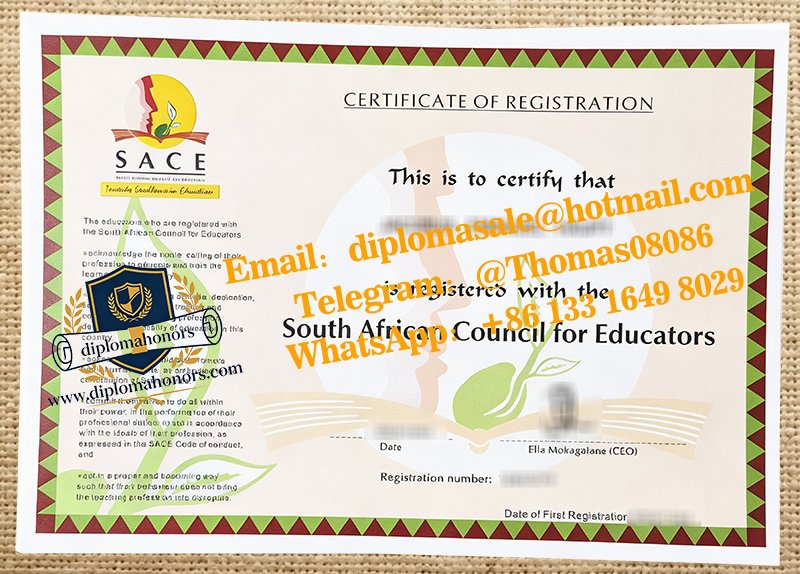
The SACE Certificate is a mandatory credential for South African teachers. It is issued by the South African Council for Educators (SACE), the sector’s regulatory body. SACE is a legal requirement for teaching in public or private schools. It validates your competence and commitment to professional ethical standards.
Candidates must meet specific criteria to get a SACE Certificate. First, they need a recognized teaching qualification. Examples include a Bachelor of Education (BEd) or PGCE. These qualifications must align with NQF level 4 or higher.
SACE Certificate: Your Essential Credential for Teaching in South Africa
Applying for a SACE Certificate is simple. Most applications are done online via the SACE official portal. Applicants must submit certified copies of their ID and teaching qualifications. They also need a police clearance (less than six months old) and proof of the registration fee.
Foreign-trained educators need SAQA evaluation first. The South African Qualifications Authority checks their credentials. This step ensures their qualifications meet local teaching standards. It also confirms they are eligible for teaching jobs in South African schools.
The SACE Certificate has two types: provisional and full. Provisional certificates go to new graduates. They let new teachers work while finishing professional development. Full registration is given once educators meet all competence requirements.
You need to complete CPD hours yearly to keep your SACE Certificate valid. Continuing Professional Development keeps educators updated. It covers new teaching methods, curriculum changes, and ethical guidelines. This upholds the quality of education across South Africa.
Employers highly value the SACE Certificate. It proves educators are registered, qualified, and professional. It also offers job security. Unregistered individuals cannot legally teach in South African schools.
In conclusion, the SACE Certificate is key for South African teaching careers. It combines legal compliance, professional recognition, and ongoing growth. It ensures educators deliver high-quality lessons. For new graduates or foreign-trained teachers, it’s your ticket to a fulfilling teaching career.